We had no intention of adding a dog to our family as of October, when our cocker spaniel died; the grief was too big, our life was amply busy, and we wanted to travel more. However, by March, the house felt too quiet and not quite whole, and our children were playing fetch with any dog that wanted to chase sticks on our family walks, constantly asking about getting another.
Our life circumstances with six-year-old and three-year-old sons, a cat, busyness with hosting friends and active days out in the Southwest, and even that we rent our home warranted careful consideration of what type of dog might suit. We certainly wanted to rescue again but knew it might take some time to find the right match, given the children and cat. We wanted a dog that would join in hikes and canicross but then have an “off” switch indoors, while also being adaptable to visitors and typically in good health. We settled on an English Setter, so we joined a couple of UK waitlists but then found The Setter & Pointer Project. When we learned about the plight of working dogs in Spain, that confirmed that we would proceed with TSPP if they would have us.
I had become smitten with a particular dog on the website, and after enquiring, was told to pop in an application to then have a more considered conversation. In the following few days, we had email correspondence about this particular dog; he had recently come into UK foster, and the fosterers learned that he was quite fearful of trains and cars going past. Because we would not be able to drive him out daily to more remote spaces for exercise and would need to walk along a busy road to get to local trails and fields, this proved to be a barrier in our family matching with this specific dog. However, with no shortage of dogs in shelter, we continued to correspond about how to proceed and agreed to arrange the interview with the hopes of adopting Thor.
We were visiting family abroad on the day of the interview, and I was glad that the time difference meant the interview would occur very early, because I was too nervous and excited to think of much else. In the interview, it was explained more about why Thor could be just the right fit for us; he had previously lived with a family before being given to a hunter, who then brought him to the shelter. Given our young family, our only previous experience of pet ownership being a senior cocker spaniel rescue, and the other particulars of our lifestyle and setup, we appreciated the considered steer. The thorough contemplation of best fit for the dog and family only increased my confidence in our decision to proceed.
We were set to return to the UK on the Friday with our homecheck on the Monday. Suddenly, we found out that Thor had gotten a last-minute spot on the trip to the UK that weekend, so he’d be in short-term foster until we were ready at home. We had some garden work to do to prepare, baby gates to locate, and we needed to re-read the helpful information from the TSPP site about Thor settling in and meeting the cat and the children. We also needed to rearrange our schedules for the following weeks. The foster family kindly shared the kind of food he was eating and how he was enjoying spending his time so that we could have some things on hand immediately that he might like. By the time we had acquired the relevant supplies, it was about time for his arrival.
It is critical to have managed, realistic expectations. Despite our cat being assertive and dog-savvy, it would take time to establish their neutral acceptance of one another. Despite our children having had pets, they were not used to a playful, large dog. Even more, Thor would experience another massive shift in a short span of time and be at least somewhat overwhelmed, tired, and uncertain. He would then probably find it quite distressing if he was not by us, and we had to plan around this adjustment period for everyone.
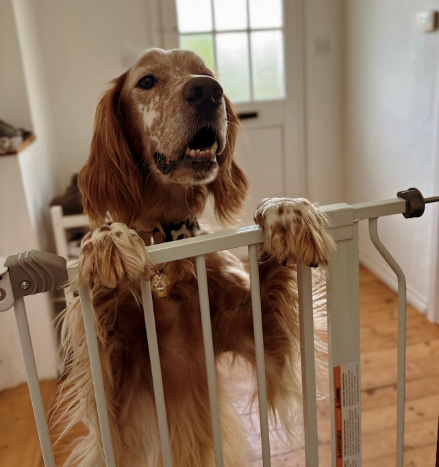
When Thor, now renamed Benny, arrived, he was rather excitable. He was keen to run around with squeaky toys all about the garden and to eat. He wanted nothing but belly rubs when he was still. He followed us everywhere, a sizable shadow. Our cat, however, was quite displeased. She raised her hackles and growled at Benny for days, but we were prepared for her reaction and had made the upstairs completely inaccessible to Benny. We kept them separate with babygates, available perches for her, and consistent monitoring. He would bark and become overly excited if he saw her, but she was not one to hide. So, he was on a lead, and we watched closely and acted quickly to interrupt any excitement. My partner and I alternated sleeping downstairs with Benny and kept the cat in the children’s room upstairs.
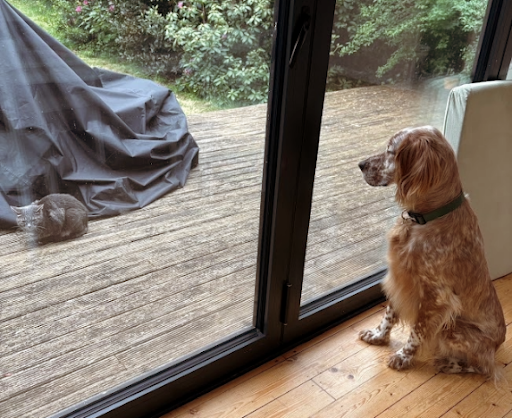
It was thrilling progress weeks later when Benny was able to calmly see our cat through the window, and he did not stand and bark immediately. These bits of progress could appear small, with intervals of 10 seconds at a time, and yet they felt huge. As he continued to react calmly, we began to have them look at one another through the babygate on the stairs with plenty of treats for calm reactions. We progressed to meets in the garden, with Benny on the lead, and again, many treats. At some point, our cat decided to start watching him sleep on the sofa. She then allowed him to approach her when she was high on her tower and quickly hissed at him if he overstepped. In the background, we continued to work on his recall with the phrase “leave it” for being able to get him to leave exciting things alone, and we ensured these introductions occurred when he was more subdued following exercise and stimulation. We found it helpful to reference the page on cats and dogs, and we were reassured in connecting with our rehomer and the other adopters from our trip’s WhatsApp group; it really normalised the gradual nature of their getting on with one another.
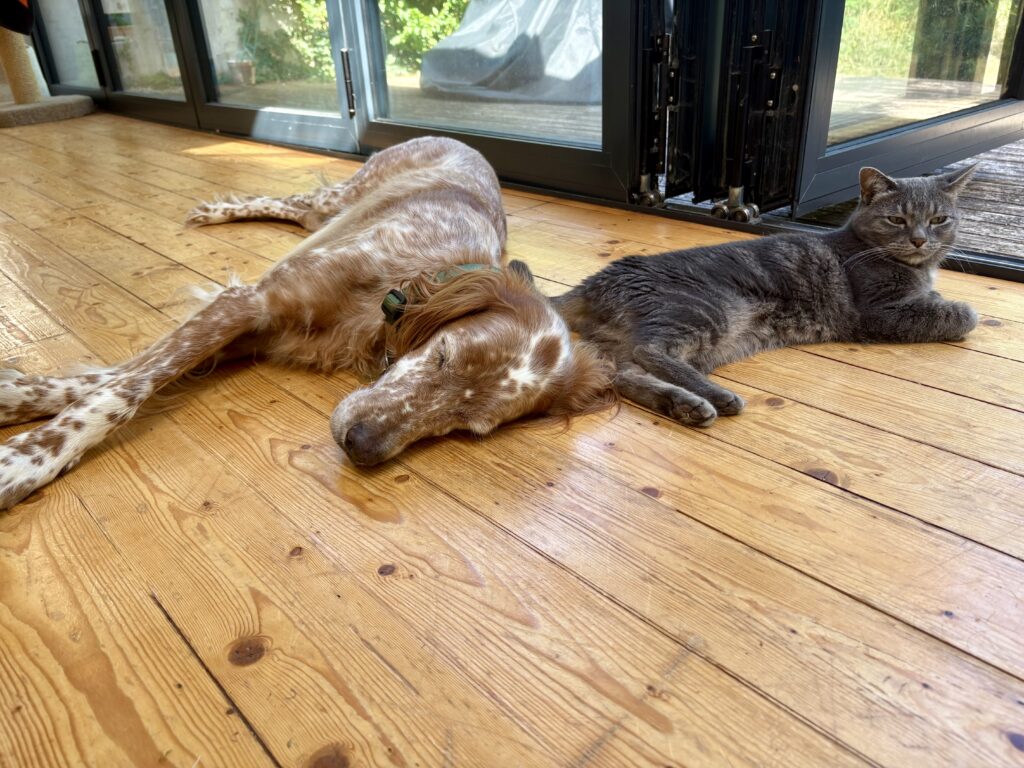
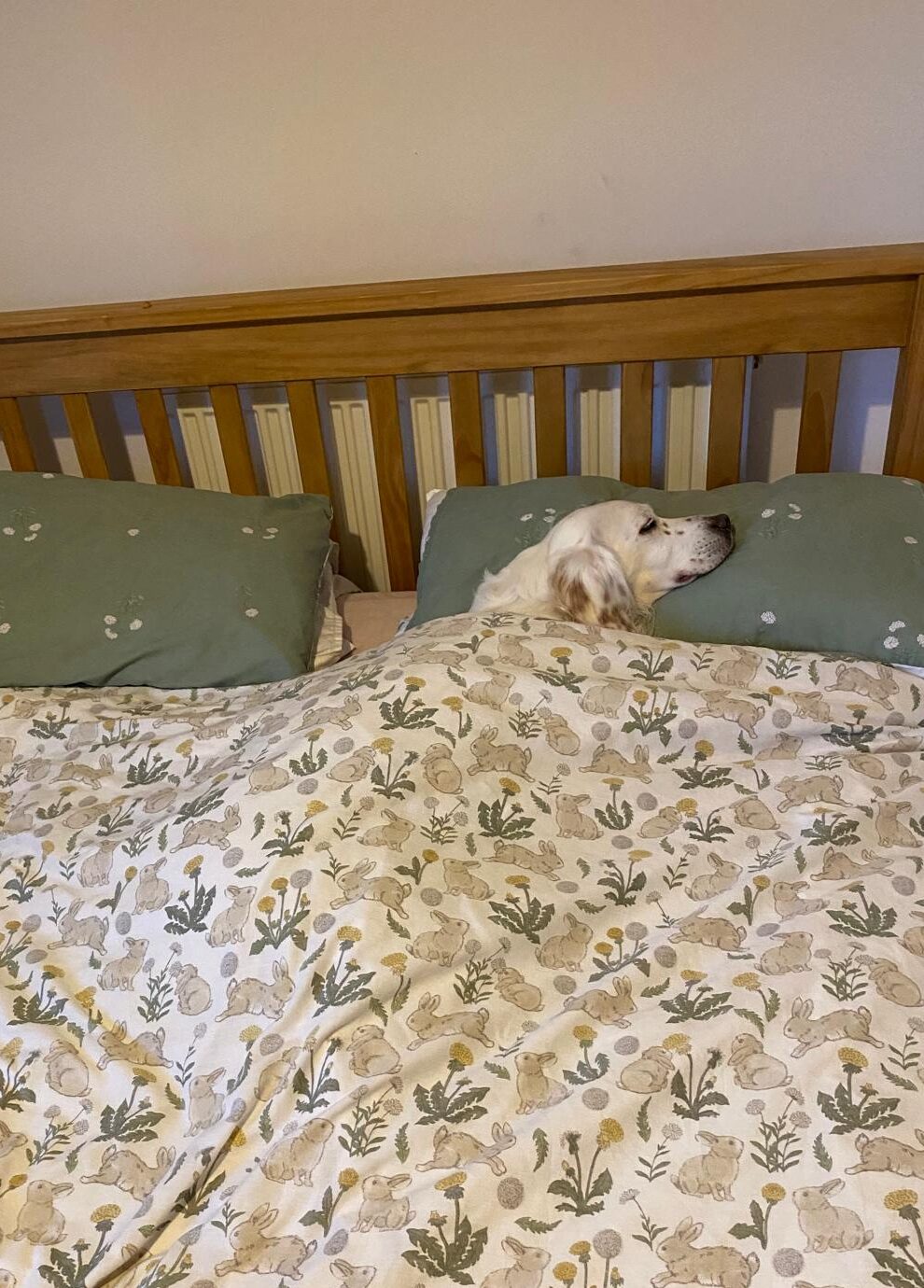
Our cat stopped leaving when Benny seemed a bit too close or energetic, and Benny then stopped contemplating whether it was a chasing game. With their interactions being neutral or affectionate, Benny’s now upstairs at night, too. He still doesn’t remember the cat doesn’t prefer a bum sniff but is very respectful, and she even allows some affection. Now, I drink my morning coffee with one of them on my lap and the other curled alongside my feet – who’s where depends on the day!
The cat-dog dynamic was the major area of attention, but there have been surprises and other skills we work on with Benny. Benny tugs on the lead before he has had the energy expenditure of zooming off-lead. He does best with our running/hiking bungee set-up, and we find walks more comfortable this way. It doesn’t feel like a concession that Benny doesn’t perfectly “heel” because we never expected him to in the first place. Benny also relishes opportunities to run. We tend to do a big morning walk with running and exploring time, mental stimulation for when we leave in the day, and in the evening, we focus more on something in the garden, such as fetch, training, and/or family races up and down. Benny loves to play with other gun dogs; he’s a bit sceptical of working dogs and coolly ignores terriers that yap at him. He’s frequently complimented for his behaviour and looks on walks.
We were prepared for Benny’s difficulties with separation, but still this proved stressful at some points. We made sure for the first few weeks that we did not leave him alone, by flexing our work schedules and making our world cosy and small. When we would all be upstairs for the bedtime routine and Benny would be downstairs behind the babygate, he would become upset. We worked on gradually building up his time alone after the first few weeks, ensuring he was well-exercised with some enrichment options available to him. Even so, he would sometimes bark very loudly for the immediate departure before settling into a resigned sleep until our return. Now, a few months along, we leave him for a few hours at a time, a few days a week, and it goes smoothly; however, this was not without schedule juggling and one respectful, albeit uncomfortable, neighbourly discussion. We referenced the flitting game consistently, but we also made sure we were only spending concentrated and small periods each day working on any one skill.
Benny initially reacted with excited jumping and curious head tilts whenever we would practice our instruments – particularly, my violin. He also found it interesting whenever we would play music on the speaker. We initially did not account for his height and found he nicked some dinner when our backs were turned. He has been very clear with body language and cueing when he needs some space from the children’s antics, and we continue to manage and encourage their relationship.
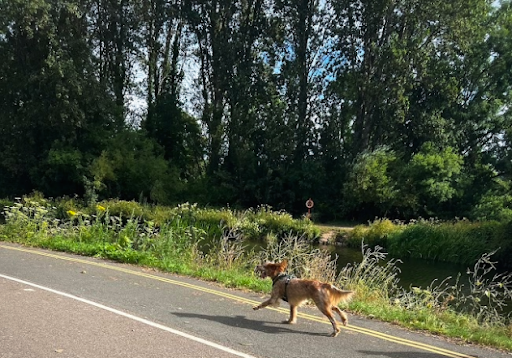
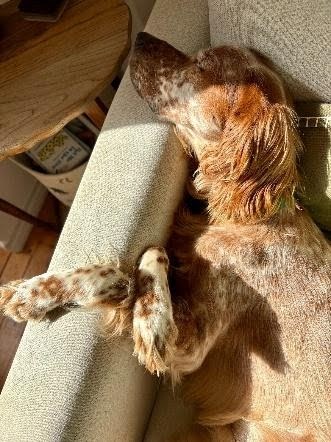
Realistic expectations, reading in preparation, and asking questions when things became tricky all made our experience adopting Benny wonderful. We wanted to help a dog who had a difficult start, and we have gotten so much in return. Since Benny came, he has reminded us to have fun, always spend time outside, and enjoy rest and sunshine. Benny was not the dog we were seeking, but he was the perfect one for our family.